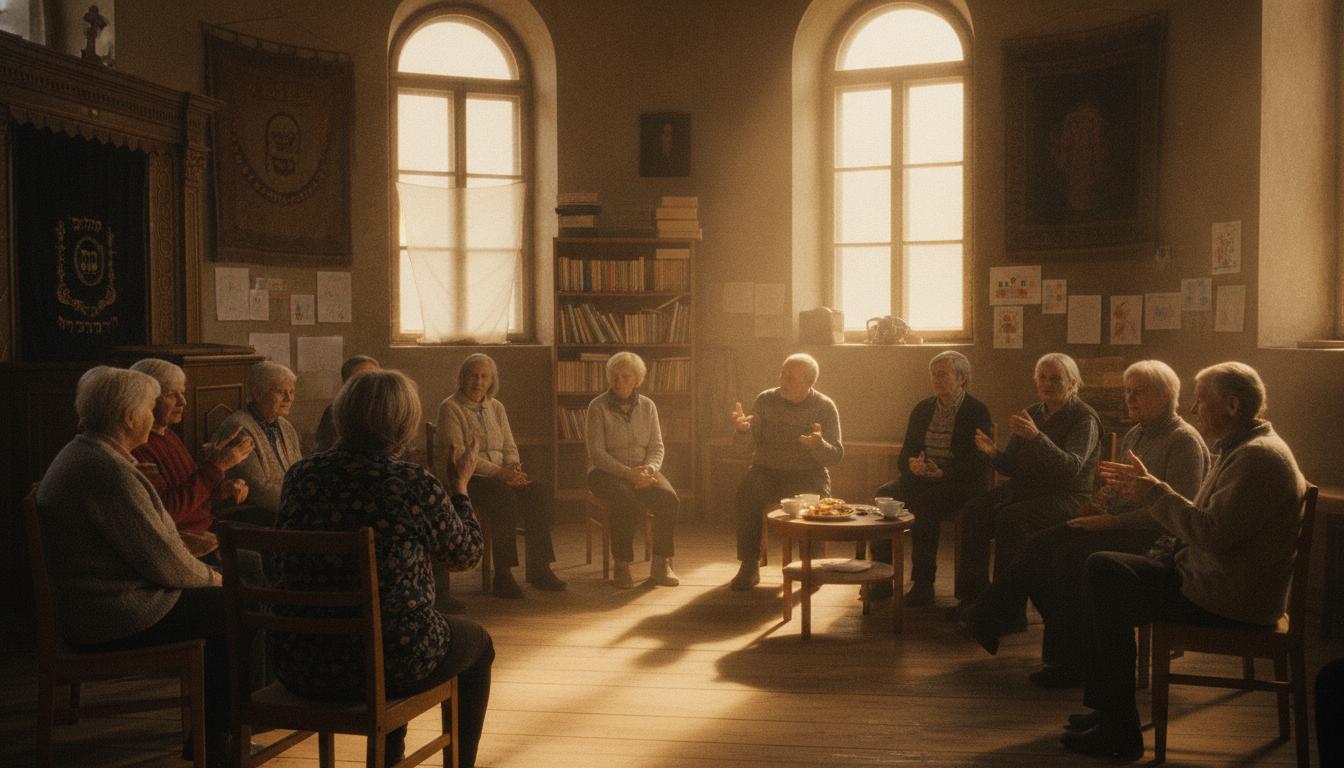
Memory is not a passive repository but an active, living force that shapes our understanding of the world. In the small Lithuanian village of Zagarė, elderly residents gather each Sunday in a former synagogue turned community center, not to worship, but to share stories. Their words weave a tapestry of a place that has survived wars, occupations, and the slow erosion of time.
When I first arrived in Zagarė, I expected to find a dying tradition. What I found instead was something far more vital: a room full of people who understood that memory is not the opposite of forgetting but its fiercest adversary. Each week, they arrive with thermoses of tea and plastic containers of cookies, prepared to do battle against the silence that history imposes on the voiceless.
“To remember is to resist the silence that history imposes on the voiceless.”
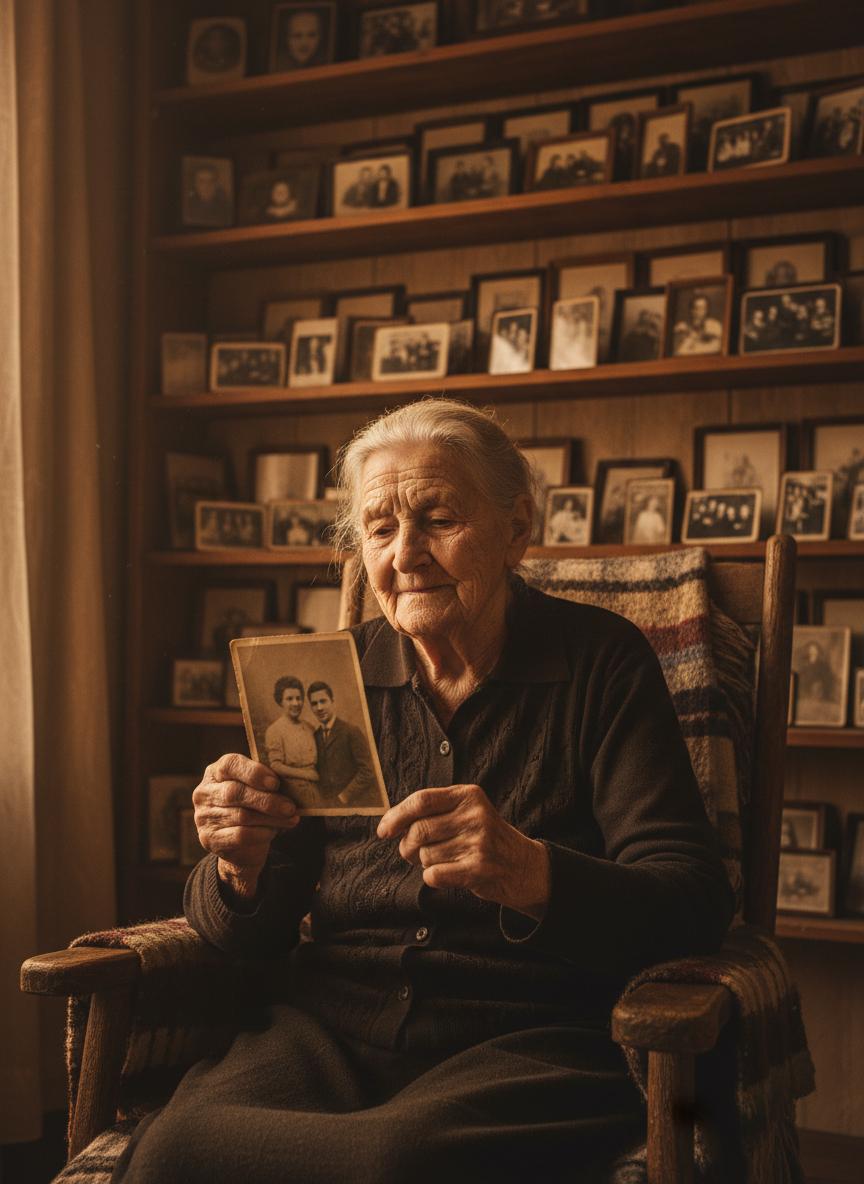
Miriam Bakshitzky, eighty-seven, has been coming to these gatherings since they began in 1998. She was born in the house that now serves as the village library, raised her children there, and buried her husband from its front room. When she speaks, the room falls quiet. Her stories are not performances but offerings, each one a thread in the larger fabric of the community's shared history.
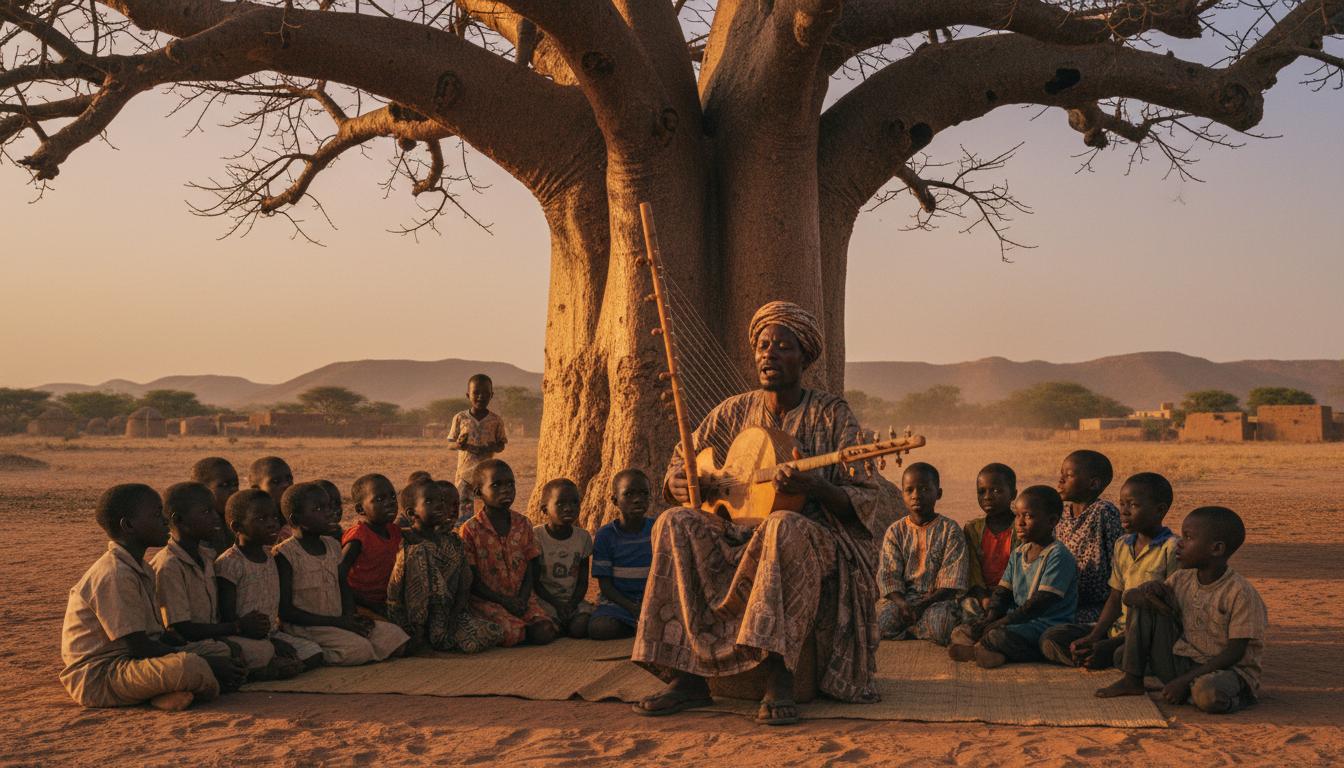
The architecture of memory takes many forms. In Japan, the concept of mono no aware captures the bittersweet awareness of impermanence. In West African griot traditions, history is sung rather than written, passed from one generation to the next through melody and rhythm. These practices remind us that preservation is not merely about conserving the past, but about honoring the living connections between then and now.
I spent three months documenting memory keepers across three continents. From the oral historians of Mali to the family archivists of Buenos Aires, I encountered the same impulse: the need to say, “This happened. I was here. This mattered.” The act of remembering is an act of love, a declaration that certain moments, certain people, certain ways of being matter enough to be held onto.
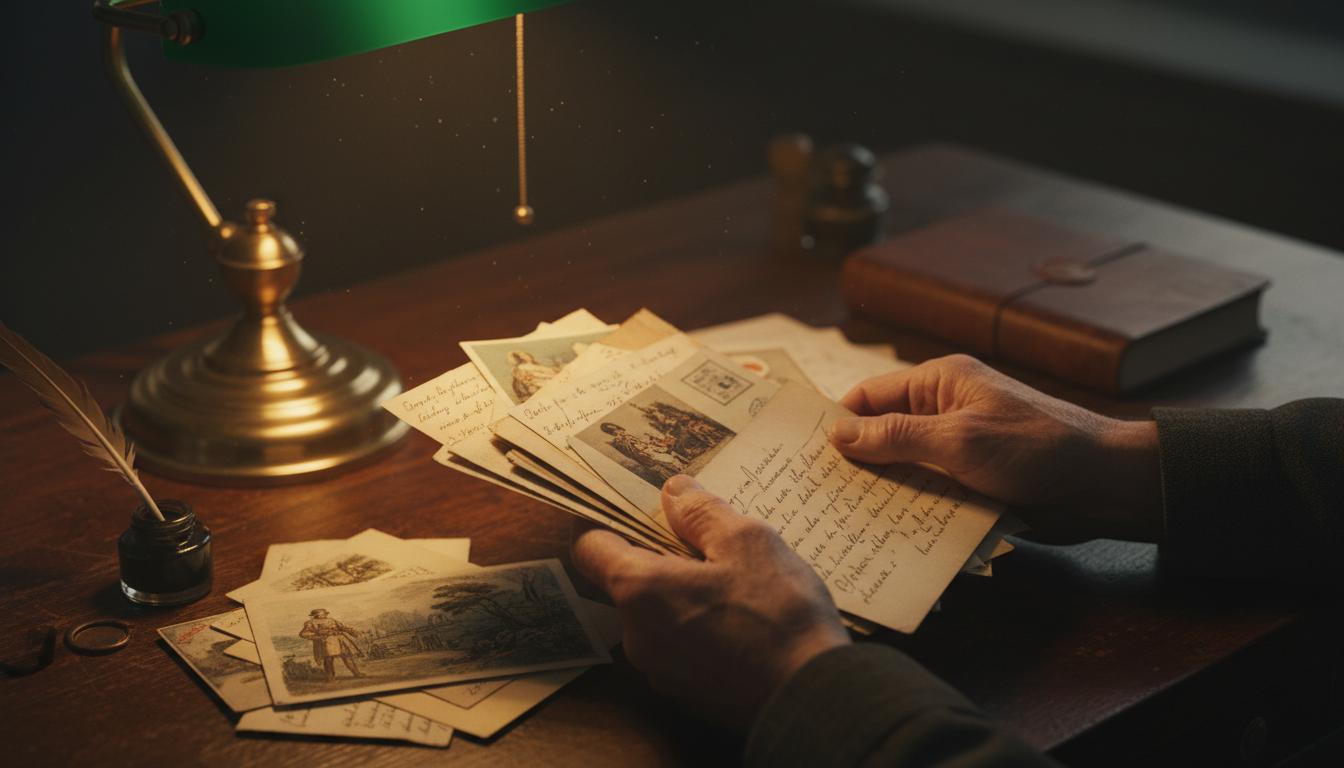

What fascinated me most was how these practices evolve without losing their essence. In Buenos Aires, I met Jorge Castellanos, a retired accountant who has spent thirty years cataloguing the letters his grandfather received from relatives who fled to Argentina during the Spanish Civil War. His dining room table is covered in archival boxes, each one a portal to another world, another time, another set of hopes and fears.
“When I read these letters,” Jorge told me, “I don't just hear my grandfather's voice. I hear the voices of everyone who ever loved him, everyone who ever worried about him, everyone who ever wondered if they would see him again. Memory is not solitary. It is choral.”
“Memory is not solitary. It is choral.”
The question that haunts me, now that I have returned home, is what we lose when we stop gathering to remember. In our digital age, memory has become individual, scattered across devices and platforms, searchable but rarely shared. We have more records of our lives than any generation in history, yet fewer communal rituals for making sense of them.
In Zagarė, they understand something we have forgotten: that memory is not just about the past. It is about the present, about the bonds formed in the act of sharing, about the circle of chairs that says, “You belong here. Your story matters.” When Miriam Bakshitzky speaks, she is not just recounting history. She is creating it, one listener at a time.
The last Sunday I spent in Zagarė, Miriam brought a photograph I had not seen before. It showed the synagogue in 1938, the year before the war, its doors open, its garden full of roses. She pointed to a girl in the photograph, no more than twelve, standing on the steps with a book in her hand. “That is my mother,” she said. “She is gone now. But here she is. Here she will always be.”
I looked around the room at the faces gathered there—some familiar, some new—and I understood what I had been witnessing all along. This was not nostalgia. This was resistance. This was love. This was what it means to be human.
